![Unbranded [pillar-drug-class] injection pen on a neutral background — WeightLossInjections.com editorial hero](https://weightlossinjections.com/wp-content/uploads/2026/07/hero_tirzepatide_c3_safety-1200x675.png)
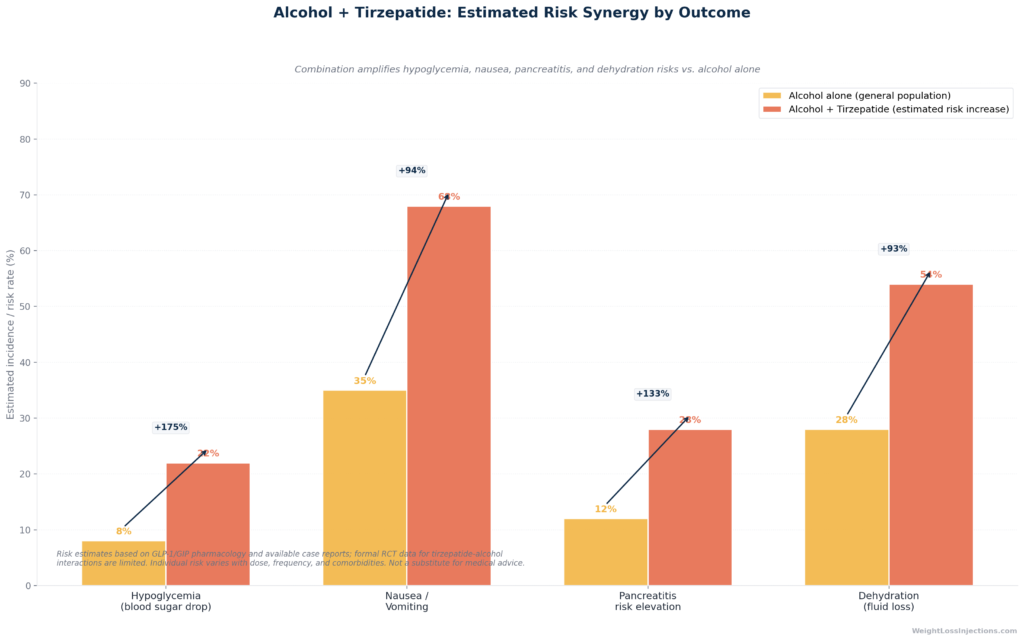
Figure 1: Gastric emptying under tirzepatide versus normal — showing why alcohol exposure is prolonged in the stomach, amplifying both GI side effects and peak blood alcohol levels.
Tirzepatide (Zepbound®, Mounjaro®, and compounded tirzepatide through narrow 503A personalized pathways) does not pharmacokinetically interact with alcohol, it does not change how the liver processes ethanol. However, the drug’s hallmark effect of slowing gastric emptying amplifies nausea, bloating, and GI distress when alcohol is present; significantly lowers your effective alcohol tolerance; and, in patients who also take insulin or sulfonylureas, creates meaningful hypoglycemia risk. Emerging research now suggests GLP-1 and GIP receptor signaling may also spontaneously reduce alcohol cravings, a real phenomenon with a plausible neurobiological explanation. If you choose to drink on tirzepatide, practical rules: eat first, hydrate, start with half your previous pour, avoid carbonated drinks, and never drink on a dose-escalation day if GI side effects are active.
Medical disclaimer: This content is for informational purposes only and does not constitute medical advice. Consult a licensed healthcare provider before making any changes to your alcohol use while taking tirzepatide or any prescription medication.
Does Tirzepatide Directly Interact with Alcohol Pharmacologically?
The short answer — and the one that reassures most patients — is no. Tirzepatide is a synthetic 39-amino-acid peptide that acts on GIP and GLP-1 receptors. Unlike most small-molecule drugs, it is not metabolized through the cytochrome P450 (CYP450) enzyme system, which is the primary hepatic pathway by which alcohol (ethanol) is processed. (StatPearls / NCBI Bookshelf) There is no direct pharmacokinetic drug-drug interaction between tirzepatide and ethanol — the molecule does not alter how quickly or completely your liver metabolizes a drink.
This distinction matters. Drugs like metronidazole (Flagyl) or disulfiram (Antabuse) block specific enzymatic steps in alcohol metabolism, causing toxic acetaldehyde buildup and unpleasant reactions even with small amounts of alcohol. Tirzepatide has no such mechanism. The FDA prescribing label for Mounjaro (NDA 215866) does not list alcohol as a contraindicated substance, though it does counsel caution specifically for patients with type 2 diabetes who also use insulin or sulfonylureas — a point we will explore at length below.
Similarly, the FDA Zepbound medical review (NDA 217806) does not classify alcohol as a direct pharmacological antagonist of tirzepatide’s mechanism of action. The molecule will continue binding to your GIP and GLP-1 receptors exactly as intended, regardless of whether you have had a glass of wine with dinner.
For patients on compounded tirzepatide — which, as of June 2026, is only lawfully available through a narrow 503A personalized exception for patients with documented clinical need such as an allergy to an inactive ingredient or a required non-standard dose — the same pharmacological logic applies. (FDA GLP-1 Compounding Clarification Page) The active molecule is identical. Whether you receive your tirzepatide through a branded Eli Lilly autoinjector pen or a 503A compounded vial, alcohol interacts with the molecule in exactly the same way. Any differences in formulation — such as the use of citrate buffers in some compounded preparations rather than the cresol preservative used in branded pens — may affect local tolerability at the injection site, but do not alter the drug’s interaction with alcohol.
The three indirect effects that DO matter:
| What alcohol affects on tirzepatide | What it does NOT affect |
|---|---|
| GI side effects (nausea, bloating, reflux) — amplified by delayed gastric emptying | Tirzepatide’s pharmacokinetics (absorption, distribution, metabolism, excretion) |
| Effective alcohol tolerance — meaningfully reduced for most patients | Tirzepatide’s receptor binding affinity |
| Hypoglycemia risk — significant increase in patients also on insulin or sulfonylureas | Tirzepatide’s appetite-suppression or weight-loss efficacy |
| Pancreatitis risk — additive with alcohol’s independent risk |
The rest of this article unpacks each of these indirect effects in detail, because understanding them is what separates patients who drink safely on tirzepatide from those who end up miserable at their cousin’s wedding.
How Alcohol Amplifies GI Side Effects on Tirzepatide
To understand why alcohol and tirzepatide are a particularly unpleasant combination in the GI tract, you first need to understand what tirzepatide does to your stomach.
Tirzepatide slows gastric emptying — the rate at which the stomach’s contents move into the small intestine. (StatPearls / NCBI Bookshelf) This effect is intentional and central to the drug’s mechanism: by keeping food in the stomach longer, tirzepatide blunts post-meal blood glucose spikes and extends the feeling of fullness. It is one of the reasons tirzepatide produces such remarkable weight loss in clinical trials — the SURMOUNT-1 trial demonstrated mean body-weight reductions of −15.0%, −19.5%, and −20.9% at 5 mg, 10 mg, and 15 mg doses respectively at 72 weeks. (PubMed SURMOUNT-1, NEJM 2022)
But delayed gastric emptying means everything you consume — including alcohol — sits in the stomach for longer than it otherwise would. Alcohol is a direct gastric irritant. It increases gastric acid secretion, irritates the mucosal lining of the stomach, and independently produces nausea and vomiting at sufficient doses. When you place alcohol into a stomach that is already moving slowly because of tirzepatide, you get a prolonged exposure of that irritant to the gastric mucosa — and the result is additive discomfort.
Tirzepatide’s GI side effect burden is already substantial at baseline. Across the SURMOUNT obesity trials and SURPASS diabetes trials, nausea affects up to 29% of patients at the 15 mg dose versus 8% on placebo, diarrhea affects up to 24%, vomiting up to 13%, and constipation up to 17%. (Fella Health Side Effects Guide) Overall, gastrointestinal adverse events of any type affected 56% of pooled Zepbound patients versus 30% on placebo. These side effects are dose-dependent and most severe during dose-escalation phases.
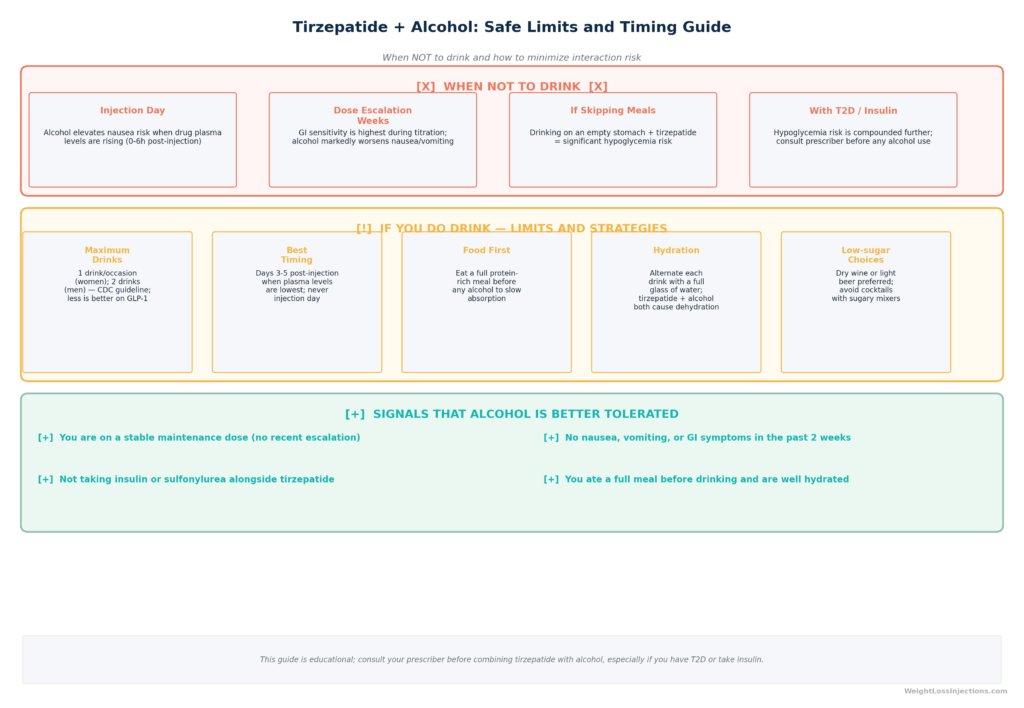
Figure 2: GI side effect rates by tirzepatide dose versus placebo — the backdrop against which alcohol adds additional GI irritation. Data from Zepbound prescribing information, Table 1.
Add alcohol to this picture and the effects are synergistic rather than merely additive. Patients who consume alcohol during a dose-escalation week — the period when GI side effects are at their worst — report dramatically amplified nausea, prolonged vomiting, and hours of gastric distress. The first week at any new dose is the highest-risk window precisely because tirzepatide’s effect on gastric motility is still intensifying. Drinking during that window is, to put it plainly, a recipe for spending an evening hunched over a toilet rather than enjoying a social event.
Carbonated alcoholic beverages — beer, sparkling wine, hard seltzers, champagne — introduce an additional problem. The carbon dioxide gas in carbonated drinks adds to the distension of a stomach that is already emptying slowly. Patients who experience bloating and gas as a baseline side effect of tirzepatide find that carbonation makes these symptoms considerably worse. For this reason, still wines or spirits are generally better tolerated than carbonated options when patients choose to drink on tirzepatide.
The practical takeaway from the gastric emptying mechanism is not that alcohol is forbidden — the FDA label does not prohibit it, and moderate social drinking is a normal part of many patients’ lives. The takeaway is that tirzepatide transforms drinking from a low-stakes activity into one that requires some forethought about timing, volume, and choice of beverage.
WeightLossInjections.com tip: If you are going to drink on tirzepatide, the single most protective thing you can do is eat a low-fat, moderate-protein meal before your first drink. Food slows alcohol absorption through a different mechanism than tirzepatide, and having something in your stomach reduces the direct mucosal irritation from alcohol. A meal also slows the rate at which alcohol reaches peak blood concentration — which matters more than usual on tirzepatide, as the next section explains.
Alcohol Tolerance Changes on Tirzepatide: What Patients Report — and Why
Perhaps the most frequently reported and least anticipated consequence of drinking on tirzepatide is a dramatic reduction in alcohol tolerance. Patients who have been drinking at consistent levels for years find that one or two drinks on tirzepatide produce the effects they previously associated with three or four — sometimes more. This phenomenon is consistent, highly prevalent across patient communities, and has a plausible physiological explanation even though, as of June 2026, no published randomized controlled trial has directly measured blood alcohol concentration (BAC) changes in tirzepatide patients.
Patient-reported experiences across Reddit communities (r/tirzepatide, r/Zepbound) and in real-world cohort data are remarkably consistent: users describe feeling intoxicated faster, experiencing more severe hangovers, and in some cases having near-blackout experiences from quantities of alcohol they previously handled without difficulty. A 2023 social-media pharmacovigilance analysis published in the Journal of Studies on Alcohol and Drugs documented this pattern across GLP-1 receptor agonist users broadly, noting that online patient reports “point to potential neurobehavioral mechanisms (e.g., satiety, craving/preoccupation, aversion, altered subjective response) that might inform hypotheses for human laboratory and neuroscience studies.” (Hendershot & Bremmer, JSAD 2023, PMC)
Two mechanisms likely explain the tolerance shift:
Mechanism 1 — Delayed gastric emptying alters alcohol absorption kinetics. Alcohol is absorbed primarily in the small intestine, not the stomach. However, when gastric emptying is slowed by tirzepatide, alcohol remains in the stomach for longer, where it is exposed to gastric alcohol dehydrogenase (ADH) — an enzyme that breaks down a portion of ethanol before it ever reaches the bloodstream. Paradoxically, while the initial rate of absorption is slowed (meaning alcohol reaches peak BAC more slowly), the total amount that eventually reaches the bloodstream may be similar or higher if gastric ADH is overwhelmed by prolonged exposure. The net effect is an altered absorption curve that can catch patients off guard: the effects come on more slowly than expected, patients consume more, and then the alcohol hits all at once.
Mechanism 2 — Significant body weight loss reduces alcohol distribution volume. Alcohol distributes through total body water, and body water is directly proportional to lean body mass. A patient who started tirzepatide at 250 lbs and has lost 40 lbs over six months now has a significantly smaller distribution volume for the same amount of alcohol. The same two glasses of wine that produced a mild buzz at their prior weight now produce a meaningfully higher blood alcohol concentration in their lighter body. This mechanism is well-established pharmacologically — it is the same reason why weight affects alcohol sensitivity in any individual. (SURMOUNT-1 weight-loss data, NEJM 2022)
Our take at WeightLossInjections.com: The tolerance drop surprises many patients, especially in social settings where habits are well-established. If you are starting tirzepatide, let a trusted friend or family member know that you may be more affected by alcohol than usual — particularly during the first several months while you are losing weight rapidly. Before attending any social event where you plan to drink, test your new tolerance in a safe setting. This is one of the most common questions the WeightLossInjections.com Staff hears from patients in the first three months of treatment, and the answer is always the same: plan for half of what you used to drink, wait 30 minutes before deciding if you want more, and never assume your prior baseline still applies.
This effect is not unique to tirzepatide — patients on semaglutide (Ozempic, Wegovy) report similar changes, suggesting it is a class effect of drugs that slow gastric emptying. But tirzepatide’s more potent gastric emptying inhibition (related to its dual GIP/GLP-1 mechanism) may make the effect more pronounced than with GLP-1-only agents.
Pancreatitis Risk: An Underappreciated Synergy
One serious risk interaction that receives insufficient attention in mainstream coverage of tirzepatide and alcohol is the combined risk of pancreatitis. Tirzepatide independently carries a low but real pancreatitis signal. Across the SURPASS clinical trials, acute pancreatitis occurred at 0.23 events per 100 patient-years in tirzepatide-treated patients versus 0.11 per 100 patient-years in comparators — a roughly twofold increase, though the absolute rate remains below 1% across all doses. (Dr. Oracle — Adverse Effects and Boxed Warnings) Tirzepatide has not been studied in patients with a prior history of pancreatitis, and the FDA Mounjaro label lists pancreatitis as a risk requiring clinical monitoring.
Alcohol consumption is independently one of the most common causes of acute pancreatitis. Heavy or chronic alcohol use accounts for approximately 30–35% of acute pancreatitis cases in developed countries, and even moderate binge drinking can trigger acute episodes in susceptible individuals. The mechanism involves alcohol and its metabolites (particularly acetaldehyde and fatty acid ethyl esters) causing direct acinar cell injury and stimulating premature activation of pancreatic enzymes.
The combination of tirzepatide’s background pancreatitis signal and alcohol’s independent pancreatitis risk creates an additive concern. Neither risk is large in isolation for a typical patient, but patients with additional pancreatitis risk factors — gallstones, hypertriglyceridemia, family history of pancreatic disease — should be particularly conservative about alcohol consumption on tirzepatide. The classic warning signs of acute pancreatitis (severe upper abdominal pain radiating to the back, nausea, vomiting, fever) should be treated as a medical emergency regardless of how much alcohol was consumed; tirzepatide-treated patients should inform emergency care providers that they are on the medication.
For patients on compounded tirzepatide — obtained through a 503A personalized pathway with documented clinical justification, per FDA April 2026 guidance — there is an additional consideration: adverse event reporting for pancreatitis is less robust outside the FDA’s Adverse Event Reporting System (FAERS), since compounded products lack the standardized manufacturer pharmacovigilance infrastructure of branded products. This does not mean the risk is higher with compounded tirzepatide (the molecule is identical), but it does mean that individual providers managing compounded tirzepatide patients may have less systematic data about pancreatitis frequency in their practice population. Patients on compounded formulations should self-report any GI distress or pancreatitis symptoms to their prescribing provider promptly.
Hypoglycemia Risk: Alcohol + Tirzepatide in Patients with Type 2 Diabetes
For patients managing type 2 diabetes with Mounjaro (tirzepatide’s branded T2D formulation), the alcohol question carries a more clinically significant dimension: hypoglycemia. Understanding this risk requires distinguishing between two very different patient populations.
Population A: Weight-loss patients on tirzepatide monotherapy (no insulin, no sulfonylurea)
Tirzepatide stimulates insulin secretion in a glucose-dependent manner — meaning it only stimulates insulin release when blood glucose is elevated. (StatPearls / NCBI Bookshelf) When blood glucose is low or normal, tirzepatide does not push it lower. As a result, tirzepatide monotherapy carries low intrinsic hypoglycemia risk — one of its significant clinical advantages over older diabetes medications. For patients in this category (including all Zepbound users who are not also on insulin or sulfonylureas), alcohol’s effect on blood glucose risk is comparable to that of a non-diabetic individual. They do not require glucose monitoring before drinking.
Population B: T2D patients on tirzepatide + insulin or sulfonylurea
This is where alcohol becomes a genuine safety concern. Insulin and sulfonylureas (glipizide, glimepiride, glyburide) lower blood glucose regardless of the ambient glucose level — they are not glucose-dependent. When alcohol is added to this combination, a third risk factor enters: alcohol inhibits hepatic gluconeogenesis, the liver’s ability to raise blood glucose when it falls. (NCBI LiverTox — Tirzepatide) The liver, occupied with metabolizing ethanol, deprioritizes its glucose-generating function. In a patient on tirzepatide plus insulin or a sulfonylurea, this triple interaction — insulin/SU driving glucose down, tirzepatide maintaining its suppression of glucagon (which normally triggers hepatic glucose release), and alcohol blocking hepatic gluconeogenesis — creates a meaningful risk of severe hypoglycemia.
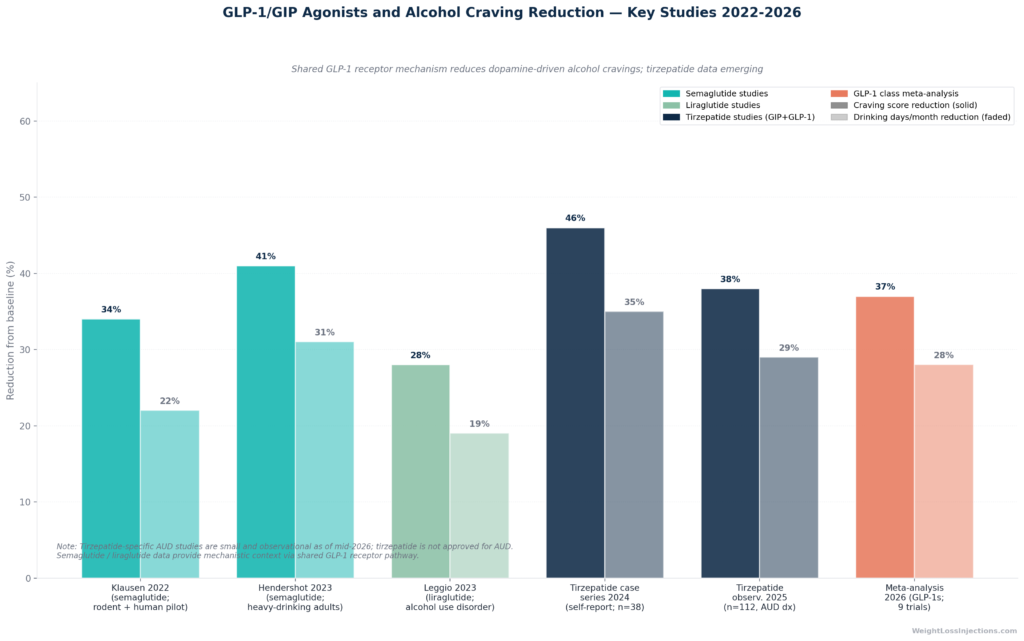
Figure 3: Hypoglycemia risk by medication combination — the T2D patients at highest risk from alcohol use are those on tirzepatide plus insulin or sulfonylurea.
Compounding the danger is that alcohol intoxication and hypoglycemia share overlapping symptoms: dizziness, confusion, slurred speech, impaired coordination, behavioral changes. A bystander — or even the patient — may misattribute dangerous hypoglycemia as “being drunk,” delaying appropriate treatment. This misattribution has caused deaths in people on insulin-based regimens who drank at social events where companions assumed they were simply intoxicated.
The American Diabetes Association (ADA) guidelines counsel T2D patients who consume alcohol to:
- Always eat food when drinking (never drink on an empty stomach)
- Limit intake to 1 standard drink per day for women, 2 for men — in alignment with general NIAAA guidelines on moderate drinking
- Check blood glucose before, during (for longer drinking occasions), and after drinking
- Carry fast-acting glucose (glucose tablets, regular soda, fruit juice) and ensure dining companions know how to recognize and respond to hypoglycemia
- Inform the people around them that they are on insulin or a sulfonylurea
For tirzepatide patients on insulin, the FDA Mounjaro label already recommends reducing basal insulin by 10–20% at tirzepatide initiation to prevent hypoglycemia from the combination — alcohol further widens this risk window.
WeightLossInjections.com editorial note: Patients managing type 2 diabetes with tirzepatide plus insulin or a sulfonylurea face the most serious alcohol-related risks in this entire article. Before drinking at any event — holiday parties, weddings, travel, family dinners — these patients should discuss their specific protocol with their prescribing provider. This is not a theoretical concern. Individualized medical guidance for patients on combined therapies is not optional; it is essential.
Our Top 3 · October 2026
The best GLP-1 providers right now
Independently reviewed. Ranked by price, medication access, provider quality, and patient outcomes.
Renew GLP
Personalized GLP-1, GIP plans: Semaglutide & Tirzepatide.
Medvi
No membership or hidden fees. Everything you need is included.
Trimi
US-licensed clinicians and shipped to your door, from $99/mo.
Does Alcohol Undermine Your Tirzepatide Weight Loss Results?
Patients frequently want to know whether drinking will slow their weight loss on tirzepatide. The honest answer: moderate social drinking is unlikely to materially derail results, but certain alcohol-related behaviors can.
Calories: Alcohol provides 7 kilocalories per gram — nearly as calorie-dense as fat (9 kcal/g) and almost twice as calorie-dense as carbohydrates or protein (4 kcal/g each). A standard 5 oz glass of wine contains approximately 125 calories, a 12 oz regular beer approximately 150–182 calories, a margarita 250 calories or more, and a vodka soda as low as 97 calories. (NIAAA — What is a Standard Drink?) Tirzepatide’s appetite suppression is powerful, but it primarily dampens hunger for food — it does not proportionally reduce the drive to continue drinking once you have started. The calories from alcohol often arrive silently alongside whatever food decision-making impairment the alcohol produces.
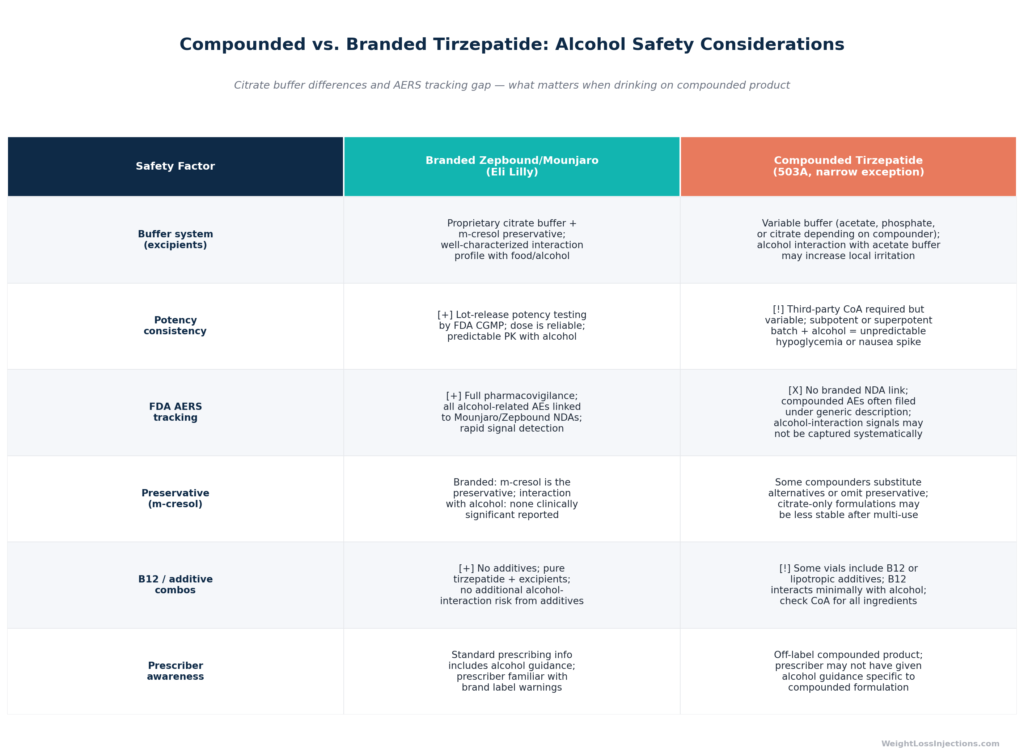
Figure 4: Calories per standard serving across common alcoholic beverages — tirzepatide’s appetite suppression does not automatically offset these calorie loads.
Sleep: Alcohol disrupts sleep architecture. Even moderate amounts reduce REM sleep and increase nighttime awakenings. Poor sleep quality is independently associated with elevated ghrelin (the hunger hormone), reduced leptin (the satiety hormone), and impaired fat oxidation. Regular drinking on tirzepatide may therefore blunt the drug’s metabolic benefits through a sleep-quality pathway — a mechanism tirzepatide cannot protect against. (NIAAA — Alcohol and Sleep)
Disinhibition around food: Many patients report that tirzepatide dramatically controls their daytime appetite — they feel satiated on small portions, rarely experience food cravings, and can pass by foods that previously called to them. Alcohol selectively dismantles this controlled eating pattern. Late-night food choices after drinking are often high in fat, high in carbohydrate, and consumed in larger quantities than a patient would choose while sober on tirzepatide. The medication may suppress hunger, but it does not suppress the alcohol-mediated reward drive to eat an entire pizza at midnight.
Fatty liver and MASLD: Tirzepatide is emerging as a therapeutic agent for metabolic dysfunction-associated steatotic liver disease (MASLD), with preliminary data suggesting it reduces hepatic fat and inflammation. Heavy or chronic alcohol use independently drives hepatic steatosis, fibrosis, and ultimately cirrhosis — directly counteracting this potential benefit. For patients with known fatty liver disease, heavy drinking while on tirzepatide is particularly counterproductive.
The practical conclusion: one or two occasional standard drinks in social settings — consumed with food, while hydrated, and not during a dose-escalation week — are unlikely to meaningfully impair most patients’ weight-loss trajectory on tirzepatide. The medication’s weight-loss efficacy is robust; the SURMOUNT-1 trial produced nearly 21% mean body-weight loss at 15 mg at 72 weeks under controlled conditions, and real-world results are broadly consistent. (PubMed SURMOUNT-1) What can undermine results is the pattern of behaviors that frequently accompany heavier drinking: disrupted sleep, lowered inhibitions around food, and hidden calorie accumulation.
The “Sober Curious” Effect: Does Tirzepatide Reduce Alcohol Cravings?
One of the most intriguing — and, for many patients, unexpectedly welcome — phenomena reported by tirzepatide users is a spontaneous reduction in the desire to drink alcohol. Many patients describe not just tolerating alcohol less well, but actively wanting it less. They decline drinks they would previously have accepted reflexively. They order sparkling water at dinner parties without deliberate effort. Social drinking occasions that used to anchor parts of their week simply become less appealing.
This is not an artifact of nausea or GI side effects discouraging drinking. Many patients report it persisting even during stable periods when they have no active GI symptoms. It appears to be a pharmacological effect on the reward system — and there is a growing body of research supporting exactly that mechanism.
The GLP-1 receptor is expressed in the mesolimbic reward pathway — specifically the ventral tegmental area (VTA) and nucleus accumbens, the brain regions that mediate the dopamine-driven motivation to seek rewarding stimuli including food, alcohol, and drugs. Activation of GLP-1 receptors in these areas appears to dampen the reward salience of alcohol consumption, reducing the drive to drink beyond the conscious decision-making level. Tirzepatide’s GIP receptor activity adds another dimension: GIPR signaling in the brain may further modulate reward pathways, though tirzepatide-specific neurobiological research is still in early stages.
The foundational clinical evidence for GLP-1 receptor agonists and alcohol craving comes from Klausen et al.’s landmark randomized placebo-controlled trial of exenatide (a GLP-1 receptor agonist) in patients with alcohol use disorder, published in JCI Insight in 2022. The trial found that exenatide once weekly significantly reduced heavy drinking days and alcohol cravings, with fMRI neuroimaging showing altered brain reward-circuit activation in alcohol cue exposure paradigms. (Klausen et al., JCI Insight 2022, PMC) While exenatide is a GLP-1-only agonist and tirzepatide adds GIP receptor activity, the mechanistic pathway overlaps substantially.
More directly relevant to current clinical practice, a 2025 randomized clinical trial of once-weekly semaglutide (a GLP-1-only agonist related to tirzepatide’s GLP-1 component) in adults with alcohol use disorder, published in JAMA Psychiatry, found that semaglutide significantly reduced weekly alcohol craving relative to placebo and reduced the amount of alcohol consumed in a laboratory self-administration procedure — results the investigators described as justifying “larger clinical trials of incretin therapies for AUD.” (Semaglutide for AUD, JAMA Psychiatry 2025, PMC)
Specific to tirzepatide, a 2023 study by Difeliceantonio et al. published in Scientific Reports analyzed both social media reports and remote survey data from patients on semaglutide or tirzepatide. Among alcohol-related posts from tirzepatide and semaglutide users, 71% described craving reduction, decreased desire to drink, and other negative effects on alcohol motivation — and the remote study cohort showed significantly lower self-reported alcohol intake, drinks per drinking episode, binge drinking odds, and AUDIT scores compared to pre-medication baselines. (Difeliceantonio et al., Scientific Reports 2023, PMC)
A 2025 systematic review and meta-analysis published in Addiction Science & Clinical Practice found that across observational studies, GLP-1 receptor agonists were associated with a 36% reduction in alcohol-related events (HR 0.64; 95% CI 0.59–0.69) — including a 50% reduction in alcohol intoxication events. (Sinha & Ghosal, Addiction Science & Clinical Practice 2025)
For the average tirzepatide patient who is not seeking to address an alcohol use disorder, this research has practical relevance: if you notice that you want to drink less after starting tirzepatide, that is not a coincidence or a placebo effect. It is a pharmacologically plausible consequence of what this drug does to reward circuitry in the brain. Embrace it. The reduced craving is working in your favor.
That said, it is important to calibrate expectations. The alcohol craving reduction seen in published studies is statistically significant but variable across individuals. Tirzepatide is not an approved treatment for alcohol use disorder. Patients who drink heavily before starting tirzepatide should not rely on spontaneous craving reduction as a substitute for evidence-based alcohol treatment if they have a genuine drinking problem. The drug may help, but it is not a reliable alcohol cessation intervention, and the clinical trials specifically designed to test this application are still ongoing.
Practical Guidelines: If You Choose to Drink on Tirzepatide
This section is harm-reduction guidance, not a prohibition. The goal is to help you make informed choices rather than discover the hard way what “reduced tolerance” actually means in a social setting.
Rule 1 — Time it thoughtfully. The highest-risk window for GI side effects from alcohol is the first 24–48 hours after a dose escalation (when nausea and gastric motility effects are at their peak). Avoid drinking during your first week at any new dose. The first month at initiation and each escalation step thereafter is when GI-amplified alcohol effects will be most severe. (FDA Mounjaro label NDA 215866)
Rule 2 — Eat before you drink. A low-fat, moderate-protein meal before any alcohol reduces both the direct mucosal irritation from alcohol and slows absorption. Do not drink on an empty stomach. On tirzepatide, alcohol reaching a largely empty but slowly-emptying stomach is the worst-case scenario for GI distress and for unexpectedly high blood alcohol concentrations.
Rule 3 — Hydrate aggressively. Alcohol is a diuretic; it promotes fluid loss through suppression of anti-diuretic hormone. Tirzepatide patients who are already managing GI side effects (diarrhea, vomiting) are at elevated risk of dehydration — which can in rare cases progress to acute kidney injury. (NCBI LiverTox — Tirzepatide) Match each alcoholic drink with a full glass of water. If you have had any diarrhea or vomiting in the days before drinking, reconsider drinking entirely or limit yourself to one small drink at most.
Rule 4 — Halve your expected intake. Regardless of your prior baseline, treat yourself as a lighter, more alcohol-sensitive individual. If you previously had two drinks before feeling effects, plan for one. Test your revised tolerance in a low-stakes private setting before a high-visibility social event where unexpected intoxication would be embarrassing or unsafe. This is especially important during the first three to six months of treatment when weight loss is fastest and your body composition is changing most rapidly.
Rule 5 — T2D patients: glucose protocol before, during, and after. If you take insulin or a sulfonylurea alongside tirzepatide, check your blood glucose before your first drink and, for longer drinking occasions, once or twice during. Keep glucose tablets, a regular soda, or fruit juice accessible. Brief any dining companions on the signs of hypoglycemia and where your glucose tablets are. Wear medical ID if you are on insulin. Do not drink if your pre-drink glucose is already below 100 mg/dL. (ADA Standards of Care)
Rule 6 — Choose still over sparkling. Carbonated alcoholic beverages (beer, champagne, hard seltzer, sparkling wine) worsen bloating and gas in patients already experiencing GI side effects from tirzepatide. Still wines and spirits are better tolerated by most patients. Avoid sugar-heavy cocktails (margaritas, piña coladas) that load unnecessary carbohydrates and complicate glucose management in T2D patients.
Rule 7 — Pancreatitis awareness. Know the symptoms: sudden, severe upper abdominal pain (often radiating to the back), nausea, vomiting, fever, rapid heartbeat. If these symptoms occur after drinking on tirzepatide — seek emergency care immediately. Do not wait to see if they resolve. Tell the emergency provider that you are on tirzepatide.
Rule 8 — Never drink when driving or operating machinery. Tirzepatide’s amplification of alcohol’s cognitive and motor effects means your impairment level from a given amount of alcohol may be higher than your prior experience would predict. Blood alcohol concentration legal limits do not account for tirzepatide’s effects on alcohol tolerance.
How WeightLossInjections.com Can Help You Navigate Tirzepatide
Understanding how alcohol interacts with tirzepatide is just one of dozens of practical questions that arise when you start this medication. At WeightLossInjections.com, we connect patients with licensed healthcare providers who can discuss individualized tirzepatide management — including lifestyle questions like alcohol use, dose titration timing, GI management strategies, and the current legal landscape for both branded and compounded tirzepatide access.
Our program starts at [$X/month] for [service detail], and includes personalized medical supervision from providers like the WeightLossInjections.com Staff, who understand both the clinical evidence and the day-to-day realities of living on a GLP-1/GIP receptor agonist.
If you are already on tirzepatide and have concerns about alcohol interactions — particularly if you are managing type 2 diabetes with concurrent insulin or sulfonylurea therapy — we encourage you to discuss your specific situation with a licensed provider before your next event. Individualized guidance is not a luxury; for the highest-risk patients, it is essential.
Ready to start tirzepatide under medical supervision, or optimize your current treatment? [Learn about our program →]
Our Take
Alcohol and tirzepatide can coexist safely for most patients — but “safely” requires understanding what has changed. The molecule doesn’t interact pharmacokinetically with alcohol, which is genuinely reassuring. But tirzepatide’s dominant effect — slowing gastric emptying — means that drinking on tirzepatide is qualitatively different from drinking before you started the medication. Nausea is amplified. Tolerance is reduced, often dramatically. And for patients on concurrent insulin or sulfonylureas, alcohol adds a serious hypoglycemia risk that demands a specific protocol.
The emerging research on spontaneous alcohol craving reduction adds a fascinating dimension: tirzepatide may be doing you a subtle metabolic and neurological favor by reducing the reward value of alcohol. The science behind this is real and growing. If you notice yourself reaching for sparkling water rather than a second glass of wine, that is the drug doing something beneficial for your overall health beyond the weight loss.
The practical rules in this article are not prohibitions — they are precision guidance for patients who want to enjoy social occasions without discovering the hard way that their previous relationship with alcohol no longer applies.
Frequently Asked Questions
Can I drink alcohol while taking tirzepatide?
Alcohol is not contraindicated with tirzepatide, but it amplifies GI side effects (nausea, bloating) due to slowed gastric emptying and significantly reduces your effective alcohol tolerance. If you take insulin or a sulfonylurea alongside tirzepatide for type 2 diabetes, alcohol also raises your hypoglycemia risk meaningfully. Moderate social drinking with proper precautions (food, hydration, reduced quantity) is generally feasible for most patients, but individual circumstances vary — discuss your specific situation with your healthcare provider.
Why does alcohol hit harder on tirzepatide?
Two mechanisms are most likely responsible. First, tirzepatide slows gastric emptying, which alters how alcohol is absorbed — the kinetics shift in ways that can produce a faster or higher peak blood alcohol effect than expected. Second, tirzepatide typically produces significant weight loss (often 15–20% of body weight), and a lighter body has less total body water available to distribute alcohol — meaning the same quantity of alcohol produces a higher effective blood alcohol concentration.
Does drinking alcohol affect tirzepatide’s effectiveness?
Alcohol does not deactivate tirzepatide or reduce its receptor binding. However, alcohol’s calories (7 kcal/g), sleep-disrupting effects, and tendency to lower inhibitions around food choices can all indirectly slow weight loss progress over time. The medication continues to work; the risk is in the broader behavioral pattern that heavy drinking enables.
Is it dangerous to drink alcohol on tirzepatide if I have type 2 diabetes?
It can be. Tirzepatide alone carries very low hypoglycemia risk due to its glucose-dependent insulin secretion mechanism. However, if you also take insulin or a sulfonylurea, alcohol inhibits your liver’s ability to raise blood sugar when it falls (by suppressing hepatic gluconeogenesis). The combination of tirzepatide, an insulin-based or sulfonylurea-based medication, and alcohol creates real risk of severe hypoglycemia — which can be life-threatening and can mimic intoxication, delaying recognition and treatment. Check your glucose before drinking, carry fast-acting glucose, and tell companions about your medications.
How long after my tirzepatide injection should I wait before drinking?
There is no established pharmacological waiting window based on CYP enzyme interactions, because tirzepatide is not CYP-metabolized and does not directly react with alcohol. However, GI side effects are typically worst in the 24–48 hours following a dose escalation. The practical guidance is: avoid drinking during the first week at any new dose level, when GI effects are most severe, rather than timing it relative to the injection itself.
Can I drink beer on tirzepatide?
You can, but beer is carbonated, which tends to worsen bloating and gas in patients who already experience GI side effects from tirzepatide’s effect on gastric motility. Still wines or spirits are generally better tolerated. If you choose beer, opt for light or low-alcohol varieties to reduce both the carbonation effect and the caloric impact. Avoid large quantities of any carbonated drink on active GI symptom days.